
Hypertonic Pelvic Floor: Understanding and Managing Overactive Pelvic Muscles
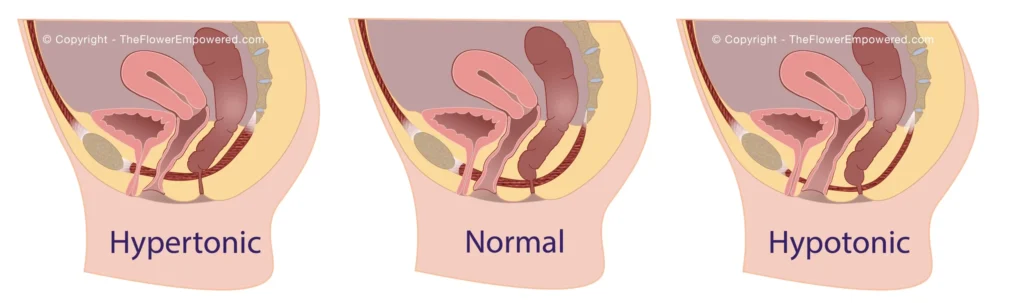
While many people focus on strengthening a weak pelvic floor, some experience the opposite problem—pelvic floor muscles that are too tight and unable to relax. This condition, known as hypertonic pelvic floor or pelvic floor hypertonicity, can cause pain, pelvic dysfunction and a significant impact on quality of life for people of all genders.
Understanding the condition and your treatment options can help you find effective relief and regain normal pelvic function.
What Is a Hypertonic Pelvic Floor?
Understanding the Condition
A hypertonic pelvic floor occurs when the pelvic floor muscles remain chronically tight and cannot relax properly. Unlike a weak pelvic floor (low tone), hypertonic muscles stay contracted, which can:
- Cause ongoing discomfort or pain
- Urinary incontinence – Interfere with bladder and bowel emptying
- Affect sexual comfort and function
Both men and women can experience hypertonic pelvic floor dysfunction, and it is often under-recognised.
How It Develops
Hypertonicity can develop for many reasons, including:
- Chronic stress and anxiety causing increased muscle tension
- Protective muscle guarding after childbirth trauma, pelvic injury or sexual trauma
- Poor toilet habits / bowel dysfunction
- Irritable bowel syndrome (IBS)
- Endometriosis
- Pudendal neuralgia
- Vulvodynia
A detailed assessment with a pelvic health physiotherapist can help identify the likely contributing factors in your case.
Common Symptoms of Hypertonic Pelvic Floor
Symptoms can vary but may include:
- Pelvic pain or pressure
- Painful intercourse or difficulty with penetration
- Urinary urgency and incontinence, frequency or difficulty starting/finishing urination
- Constipation or difficulty fully emptying the bowel
- Pain with bowel movements
- Lower back, hip or coccyx pain
Men may experience:
- Painful ejaculation
- Erectile difficulties
- Testicular, perineal or rectal pain
- Defecation dysfunction (bowel movement)
Women may experience:
- Vaginal pain or burning
- Pelvic or lower abdominal discomfort
Because symptoms can overlap with other conditions, an assessment with a men’s pelvic health or women’s pelvic health physiotherapist can be very helpful.
Treatment Options for Hypertonic Pelvic Floor
Pelvic Floor Physiotherapy
Specialised pelvic floor physiotherapy is considered a first-line treatment. Your physiotherapist may use:
- Internal and external soft tissue and trigger point release
- Trigger point and soft tissue techniques
- Biofeedback to help you recognise and control muscle tension
- Breathing and technique strategies
- Pelvic floor relaxation / exercise strategies
- Gradual desensitisation and graded exposure to movement or touch
Your treatment plan is tailored to your symptoms, history and goals.
Lifestyle and Behavioural Modifications
Lifestyle changes can support your recovery:
- Practising relaxation, meditation, yoga or mindfulness
- Adjusting exercise routines to avoid aggravating activities
- Maintaining good hydration and bowel habits
Your physiotherapist may also suggest integrating physiotherapy or hydrotherapy to support movement in a more comfortable way.
Additional Support
Some people benefit from:
- Heat therapy (heat packs, baths)
- Psychological support to address trauma, anxiety or chronic pain
- Medication prescribed by a GP or specialist to assist with pain or muscle relaxation
- Botox treatment by specialist
Your pelvic floor physiotherapist can liaise with other members of your healthcare team to coordinate care.
Treatment Options for Endometriosis
Conservative Management (Generally mild – moderate cases)
Non-surgical options are often used first and can include:
- Regular gentle exercise
- Stress reduction and pacing
- Heat therapy
- Anti-inflammatory medications (as advised by your doctor)
- Hormonal treatments (e.g. the pill, IUD, progestin-only options) to reduce bleeding and pain
Pelvic floor physiotherapy can help manage pelvic muscle tension and pain, improving comfort with movement, intercourse and daily activities. Many women also benefit from integrating physiotherapy and clinical Pilates into their program.
Surgical and Advanced Options (Generally moderate to severe cases)
If conservative management doesn’t provide adequate relief, your specialist may discuss:
- Laparoscopic surgery to locate and remove endometriosis lesions
- More advanced hormonal therapies
- Fertility-focused treatments if appropriate
Pelvic floor physiotherapy is often used alongside medical and surgical care to optimise function and reduce pain.
Expert Hypertonic Pelvic Floor Care in Brisbane
Pelvic Prime & Physiotherapy Clinic offers specialised assessment and treatment for hypertonic pelvic floor dysfunction. Our experienced physiotherapists understand the complexity of pelvic pain and work collaboratively with you to:
- Reduce muscle tension
- Improve bladder and bowel function
- Support comfortable sexual function
- Restore confidence in movement and daily life
You can learn more about our men’s pelvic health services and women’s health physiotherapy before your visit.
Book Hypertonic Pelvic Floor Treatment in Brisbane
If you suspect you have an overactive or hypertonic pelvic floor, you don’t need to keep managing it alone. Call us on 07 3366 0480 or get in touch via our contact page to book an appointment. You can also leave a comment or question if you need guidance before booking. You can check out our service fees to plan your next steps.