
Pelvic Floor Issues and Hip Pain in Brisbane: Are They Connected?
POSTED: 13 Oct, 2026
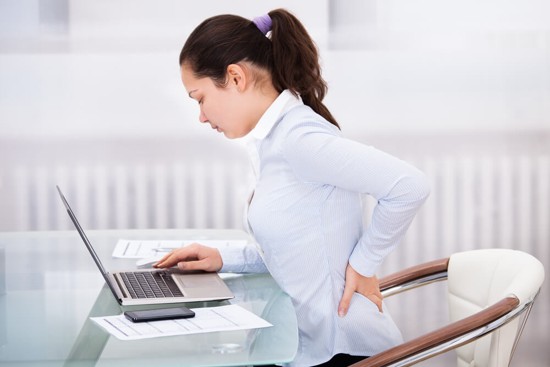
If you’ve been dealing with persistent hip pain, you may not immediately think about your pelvic floor. However, the two are more connected than many people realise. The muscles, joints and nerves around the pelvis and hips work closely together to provide stability, support and movement. When one area isn’t functioning well, the other often has to compensate.
For some people, pelvic floor issues and hip pain can occur at the same time, making it difficult to identify the true source of the problem. Understanding this relationship is an important step towards finding effective treatment and lasting relief.
The Connection Between the Pelvic Floor and Hip
One of the key muscles linking these regions is the obturator internus, a deep hip muscle that sits alongside the pelvic floor. A common question physiotherapists hear: is the obturator internus a pelvic floor muscle? The answer is no, but it works very closely with the pelvic floor muscles and plays an important role in hip stability and pelvic function.
When the pelvic floor becomes tight, weak or poorly coordinated, the obturator internus may also become overloaded. This can contribute to discomfort in the hips, buttocks, groin or pelvic region.
In fact, the relationship between the obturator internus and pelvic pain is well recognised, particularly in people who experience ongoing pelvic tension or movement dysfunction.
How Movement Patterns Can Contribute
The body is designed to distribute load efficiently. When one muscle group is not doing its job properly, other muscles often step in to compensate.
Weakness or tension in the pelvic floor can affect how the gluteal muscles, hip adductors and core muscles work together. Over time, these changes may alter movement patterns and increase stress through the hips and pelvis.
Compensation can also occur around the sacroiliac joint (SIJ), creating stiffness, discomfort and reduced mobility. This is one reason why obturator internus pelvic floor dysfunction is often assessed as part of a broader movement evaluation rather than in isolation.
Common Symptoms
Because the hip and pelvic floor are closely linked, symptoms can vary from person to person.
Common signs may include:
- Hip or groin pain
- Pelvic discomfort or heaviness
- Pain when sitting for long periods
- Reduced hip mobility
- Lower back or SIJ pain
- Difficulty with exercise or daily activities
Many people experiencing pelvic floor issues and hip pain find that treating only one area provides temporary relief, while the underlying cause remains unresolved.
How PPP Clinic Can Help
At Pelvic Prime & Physiotherapy (PPP Clinic), we take a comprehensive approach to assessment and treatment. Rather than focusing solely on the site of pain, we examine how the pelvic floor, hips, core and surrounding muscles work together.
Our physiotherapists assess movement patterns, muscle function and joint mechanics to identify contributing factors. This includes evaluating whether obturator internus pelvic floor dysfunction may be affecting symptoms.
We also help answer important questions, such as whether the obturator internus is a pelvic floor muscle, and explain how the different structures of the pelvis and hip interact.
Treatment may include pelvic floor rehabilitation, movement retraining, strengthening exercises and strategies to improve mobility and reduce pain.
Addressing the Root Cause Matters
The connection between the obturator internus and pelvic pain highlights how closely linked the hip and pelvic floor can be. By identifying and treating the underlying cause, it is often possible to improve function, reduce discomfort and achieve longer-lasting results.
Book an Assessment Today
If you’re experiencing hip pain, pelvic discomfort or both, Pelvic Prime & Physiotherapy (PPP Clinic) can help. Book an appointment today for a comprehensive assessment and personalised treatment plan designed to support both your hip and pelvic health.
Booking with Pelvic Prime & Physiotherapy